Summary
What do UK lenders really think of AI? After speaking with dozens of bridging and specialist lenders, Vector Finsoft brings together industry insights and discussions from November’s BDLA Annual Conference to explore what responsible adoption should look like.
If you’re tired of the AI hype, you’re not alone. Every news broadcast, industry article and interview seems to sell AI and it almost feels like we’re being coerced into using it. However, as adoption accelerates, so does the worry about giving these systems access to the information, processes, and decisions at the heart of a lending business.
We spoke to dozens of lenders about how they feel about AI and two concerns emerged with striking consistency. Both cast a long shadow over the enthusiasm surrounding the technology.
In this article, we examine what is driving these concerns, where the risks really lie, and what lenders can do to adopt AI without letting innovation outrun security, oversight, and control.
AI-powered cyber-attacks are changing the threat landscape.
Several lenders we spoke to fear the consequences of AI fundamentally shifting the cyber threat landscape by making attacks faster, more sophisticated, and increasingly difficult to anticipate.
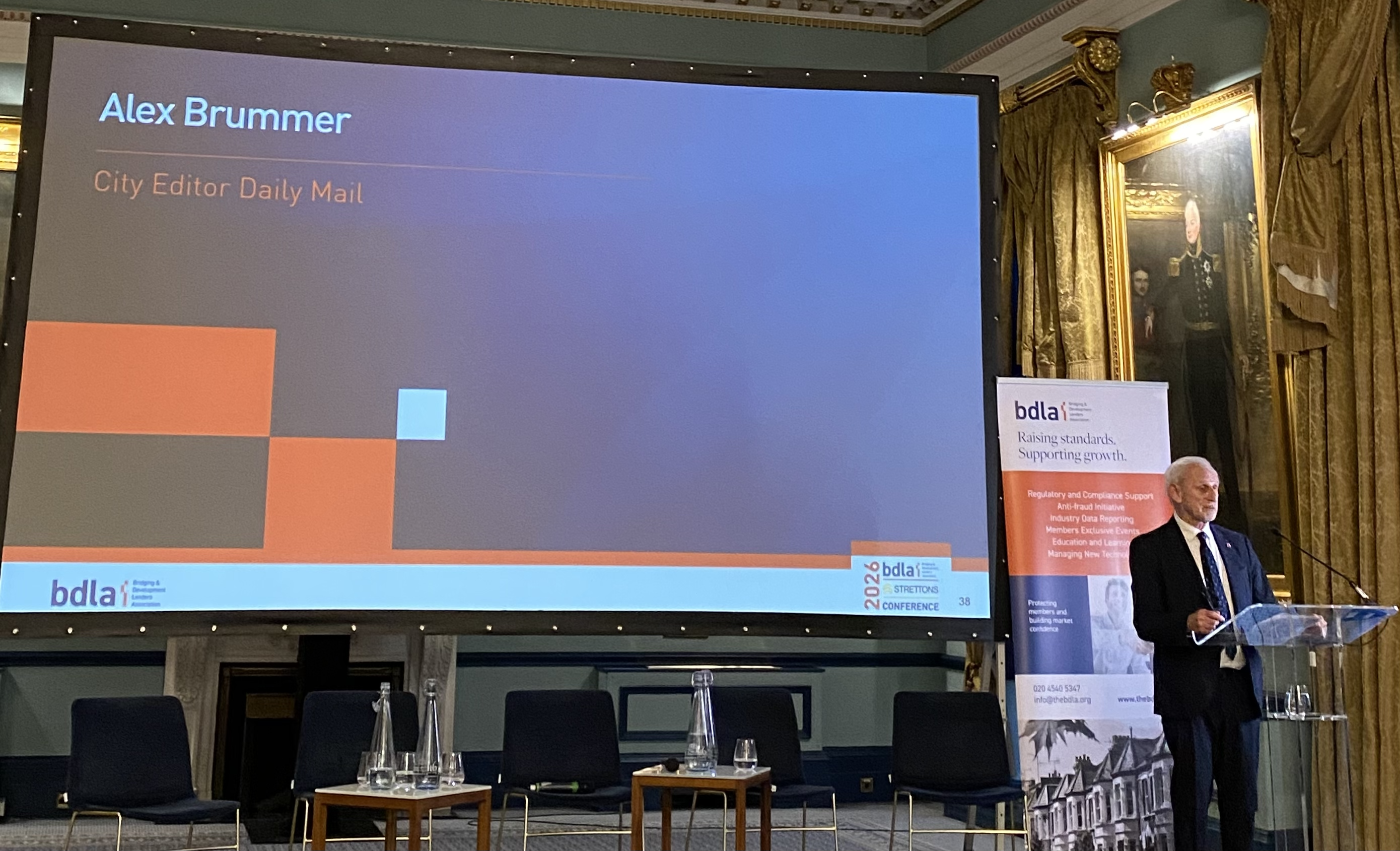
At the BDLA Annual Conference 2026, one of the more unsettling discussions centred on the rise of AI-enabled cyber threats. Alex Brummer of the Daily Mail highlighted several recent attacks, including the extraordinary case of European supermarkets whose refrigeration systems were remotely compromised, disrupting hundreds of stores and causing significant losses.
In the Bank of England and FCA's latest survey, 88% of firms said they expect frontier AI cyber capabilities to have a moderate or high impact on their risk profile. The message for lenders is difficult to ignore: security controls that were adequate yesterday may not be enough to withstand the cyber-attacks of tomorrow as AI is lowering the barriers for malicious actors looking to exploit weaknesses.
For lenders building and maintaining their technology in-house, the responsibility is greater still. Regulators place considerable emphasis on getting the fundamentals of cyber resilience right: strengthening vulnerability and patch management, maintaining robust identity and access controls, managing third-party and supply-chain risks, and ensuring systems can detect, withstand, and recover from incidents. A compromised mailbox, an exposed system, a vulnerable third-party application or stolen credentials can be enough to disrupt operations. These new threats present acute challenges, demanding sustained investment, expertise, and ongoing attention.
People are becoming zombies with AI.
AI is undoubtedly a revolutionary technology. It takes the convenience of cognitive assistance and turns it into an extra pair of brains. While this leads to incredibly efficient workflows, numerous lenders report seeing a massive gap between the final output and their teams’ understanding of the underlying business.
Critical thinking is a skill AI doesn't possess, given the nature of how it works. It’s especially important for teams to be sharp and critical in bridging and specialist lending, where underwriting is rarely straightforward or formulaic. Every deal brings its own nuances, requiring experience, commercial awareness, and informed judgement. When AI does all the thinking, underwriters risk losing the understanding needed to stand behind their decisions.
Consider a credit report or Decision in Principle (DIP). Those preparing it must understand the case well enough to justify their recommendations to an underwriting committee, challenge assumptions, and respond confidently to brokers. When AI generates the documentation and teams submit it without proper scrutiny, the result can be a cascade of uninformed decisions and avoidable errors.
Bridging and specialist finance remains an inherently relationship-driven business. Lenders regularly need to engage with brokers, borrowers and other stakeholders, discuss complex transactions, and exercise commercial judgement in real time. That requires more than access to a well-written AI report; it requires a genuine grasp of the deal.
How Vector Finsoft can help lenders with these risks?
Our philosophy is simple: put Human Intelligence first and harness Artificial Intelligence to empower people. This philosophy underpins how we designed LAMS AI: using AI to enhance the quality of decision-making and strengthen operational efficiency while retaining meaningful human oversight and control.
We help UK lenders adopt AI responsibly, with a focus on secure implementation and robust safeguards against emerging cyber threats. Our aim is to ensure lenders can benefit from AI's capabilities without losing sight of the risks.
If you're considering strengthening your cyber resilience or embedding AI into your lending operations, drop us an email to identify where AI can deliver operational efficiencies and how to ensure the risks don't outweigh the benefits.